
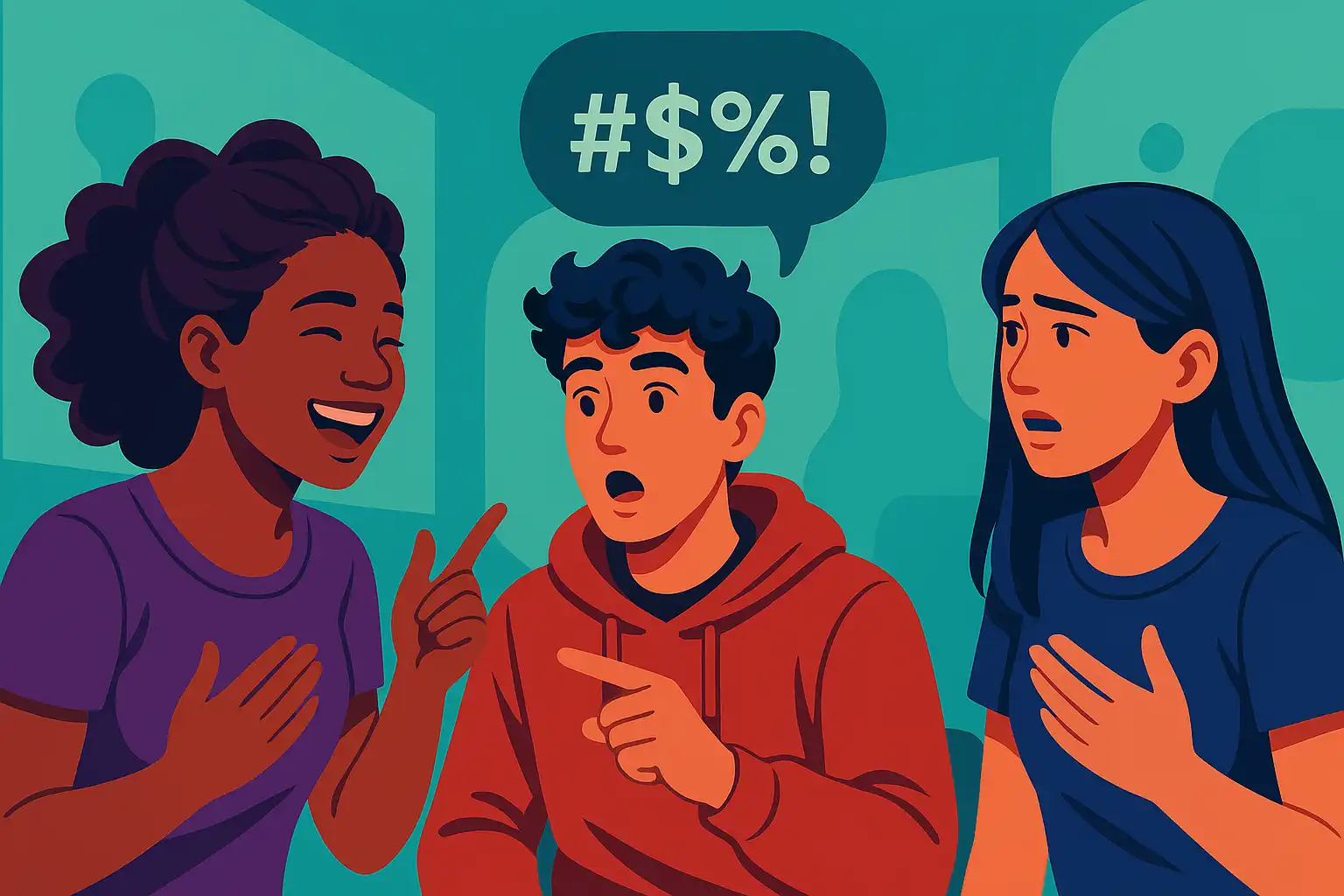
Your Gen Z colleague just described a mildly funny email as making them “deceased.” Your teenager claims they’re “screaming” at a social media post while sitting in complete silence. Someone responded to your perfectly normal comment with “the audacity” and you’re not sure if you’ve been insulted. Welcome to Gen Z emotional expression—a theatrical, hyperbolic, often ironic form of communication where metaphorical death is a regular occurrence and everything either serves or sends.
Gen Z has completely transformed how emotions get expressed, creating a vocabulary that treats feelings like performances requiring dramatic language. They’re not just happy—they’re screaming. They’re not just amused—they’re deceased. They’re not just impressed—someone ate, served, cleared, and bodied that performance. This generation uses extreme reaction language not because they’re actually experiencing extreme emotions every moment, but because emotional expression has become an art form where bigger reactions signal more engagement, authenticity, and cultural fluency.
Understanding Gen Z’s emotional vocabulary isn’t just about knowing what words mean—it’s about grasping why this generation communicates feelings so differently. Their reaction language reveals a generation comfortable with emotional expression, skilled at using humor as social lubricant, and navigating a digital landscape where standing out requires amplification.
The Hierarchy of Being Overwhelmed
Gen Z has developed an entire scale of reactions ranging from mild amusement to complete metaphorical destruction, each term signaling different intensity.
I’m screaming represents the entry level of Gen Z’s overwhelmed reaction vocabulary. When someone says they’re screaming—while sitting quietly, typing calmly—they’re communicating that something struck them as funny, shocking, or unbelievable. “She really said that to her boss? I’m screaming!” translates roughly to “that’s wild and I can’t believe it happened.” The metaphor works because actual screaming represents loss of composure, which is what these surprising moments cause, just internally rather than literally.
The phrase has become so standard that its hyperbolic nature is understood and accepted. Nobody expects actual screaming. The metaphor has become the literal description—”I’m screaming” means the specific type of surprised amusement that Gen Z has collectively decided screaming describes best.
I’m deceased raises the stakes from screaming to metaphorical death. When something has you deceased, it was so funny or shocking that you’ve been completely overwhelmed. “That comeback had me deceased” suggests humor so intense it killed you—obviously not literally. Deceased represents stronger reaction than screaming. Screaming suggests you’re still functional but losing composure; deceased suggests complete obliteration. The escalation mirrors how Gen Z thinks about emotional intensity—regular surprise gets screaming, overwhelming surprise gets deceased.
Sending me adds mysterious destination to the overwhelmed reaction. When something is “sending you,” it’s so funny or absurd that it’s metaphorically transporting you elsewhere—to another dimension, orbit, who knows where. “This meme is sending me” means it’s hilariously entertaining. The phrase captures that disoriented, can’t-quite-process-this sensation when something is so funny you feel mentally transported.
The Performance Excellence Scale
When Gen Z wants to express that someone did something impressively well, they’ve developed an entire vocabulary of consumption and dominance metaphors.
Ate that serves as Gen Z’s baseline compliment for excellent execution. When someone ate a presentation, performance, or outfit, they delivered it perfectly. “She absolutely ate that presentation” means she nailed every element. The eating metaphor suggests consuming the challenge and making it part of yourself—you didn’t just complete the task, you devoured it. Ate implies confidence, skill, and making something look effortless.
Served steps up from ate, suggesting someone delivered something exceptional, often in competitive contexts. “She served with that speech” implies she gave everyone else something to admire or envy. The term comes from ballroom culture (popularized by RuPaul’s Drag Race) where “serving” means presenting yourself at such high level that others have to acknowledge it.
Devoured intensifies beyond ate and served to suggest complete dominance. “She devoured that debate” means she didn’t just win—she completely dominated, leaving nothing for her opponent. It’s ate with aggression added, suggesting not just excellence but overwhelming superiority.
Cleared represents perhaps the highest praise in Gen Z’s performance vocabulary. When someone cleared, they surpassed everyone so completely there was no contest. “She cleared everyone at the talent show” means her performance was in an entirely different league. Cleared suggests creating such distance between yourself and others that comparison becomes meaningless.
Bodied applies similar dominance language specifically to defeating someone in argument, competition, or public dispute. “She bodied him in that debate” means she so thoroughly defeated his arguments that he was intellectually destroyed. Bodied is aggressive victory language—you didn’t just win, you dominated someone completely.
This hierarchy reveals Gen Z’s gaming and competitive culture influence—everything from presentations to fashion choices gets evaluated through frameworks of winning and dominating. Even non-competitive activities get described through metaphors of victory.
The Art of Calling Out
Gen Z has developed specific linguistic constructions for pointing out problematic behavior or expressing disapproval.
Not you creates a tone that’s simultaneously calling someone out while avoiding pure hostility. “Not you wearing socks with sandals” calls out a fashion mistake while the construction creates distance that makes it sound more like observation than attack. The phrase works through ironic negation—you say “not you” while obviously meaning “yes, you, absolutely you.” It’s confrontation with a buffer built in.
The audacity expresses incredulous shock at someone’s nerve or boldness in doing something inappropriate. “The audacity of him asking for my number while his girlfriend was there” captures disbelief. Often the phrase stands alone: someone describes outrageous behavior and the response is simply “The audacity!” The term names a specific feeling—not just disapproval but shock at someone’s willingness to do something bold or inappropriate.
Chile (pronounced like the country, not the pepper) started as “child” but evolved into an expression of exasperation or disbelief. “Chile, what were they thinking?” expresses bewildered disapproval. “Chile, please…” dismisses ridiculous statements. The term often accompanies eye-rolling, serving as verbal marker for “I can’t even deal with this.”
Oop captures the specific moment when something unexpected, awkward, or dramatic happens. Someone says something shocking, someone walks into a tense situation—”oop” marks that moment of surprise. It’s “oops” compressed and modified to become a reaction to others’ actions. “Oop, he said that out loud” acknowledges inappropriate honesty.
Excitement, Support, and Hype
Gen Z has specific language for expressing excitement, encouraging others, or hyping up friends.
Go off creates interesting ambiguity because it can mean either getting angry or doing something really well, depending entirely on context. “Go off, queen!” shouted supportively means “yes, express yourself!” It’s encouragement to be bold and authentic. But “she really went off on him” describes someone getting angry. The positive version has become particularly common in Gen Z support language—it’s how you hype friends to be confident or show off their talents.
Pop off works similarly, meaning either doing something impressive or expressing strong emotions. “She popped off with that art project” praises achievement. “He popped off in the comments” describes someone getting heated. Context determines whether popping off is positive or negative.
Purr represents Gen Z’s way of expressing satisfaction and approval, mimicking a cat’s contented purr when pleased. “That outfit is perfect—purr” shows complete approval. Often just “purr” alone serves as comment expressing satisfaction. It’s particularly common in fashion and aesthetic contexts.
The Performance of Emotion
Gen Z’s theatrical reaction language isn’t random—it serves specific functions in their communicative ecosystem.
Social media influence drives amplification. In fast-moving feeds where thousands of posts compete for attention, mild reactions disappear. “That’s funny” gets lost; “I’m deceased” stands out. Extreme language helps responses cut through noise. The platform dynamics themselves reward hyperbole.
Irony and sincerity coexist. Despite hyperbolic language, reactions often express genuine feelings. Someone might genuinely find something hilarious while also knowing their “I’m deceased” response is deliberately dramatic. The performance doesn’t negate authenticity—they’re performing genuine emotion using theatrical language.
Community building through shared vocabulary. Using the right reaction language at the right time signals cultural fluency and group membership. Knowing when to say “ate,” “served,” or “cleared” shows you understand not just definitions but hierarchy and context.
Humor as emotional processing. Gen Z grew up in heavy times—pandemic, climate crisis, economic instability, constant bad news. Dramatic reaction language adds levity to everyday situations. Describing minor annoyances as making you “deceased” provides humor and perspective. The exaggeration itself becomes the joke.
Emotional authenticity despite performance. The theatrical nature doesn’t mean emotions aren’t real. Gen Z is actually quite comfortable with emotional expression. The dramatic language creates permission to express feelings while the humor prevents it from feeling too heavy or earnest.
Why This Matters
Gen Z emotional slang reveals a generation comfortable with emotional expression despite—or perhaps because of—the irony and performance. They’re actually more willing to express feelings than previous generations who might have suppressed emotional responses.
Their amplified language cuts through social media noise and works well in text-based communication where subtle emotional cues get lost. Despite seeming like everything gets extreme language, they’ve actually developed nuanced distinctions. These aren’t interchangeable—each signals slightly different reactions.
The next time your Gen Z colleague describes something as making them “deceased” or claims someone “cleared” a presentation, remember: you’re not witnessing poor emotional regulation. You’re seeing a generation that’s developed a sophisticated, theatrical, often ironic style of emotional expression adapted to their digital landscape.
Frequently Asked Questions
Does Gen Z actually feel emotions this intensely, or is it all exaggeration? Both—and that’s the point. Gen Z genuinely feels the emotions they’re describing, but they’re expressing them through deliberately theatrical language. Someone who says they’re “deceased” at a funny video is actually amused, just not literally dead. The hyperbole is the style, not a measure of intensity. They’ve created a communication system where everyone understands the performance is part of how genuine feelings get expressed.
Why can’t Gen Z just say “that’s good” instead of “ate,” “served,” and “cleared”? Because those terms aren’t interchangeable—they represent a hierarchy of excellence. “Ate” means you did well, “served” means you did exceptionally well in a way that demanded recognition, and “cleared” means you surpassed everyone else completely. This nuanced vocabulary lets them express degrees of impressed that “good,” “great,” and “excellent” don’t capture with the same cultural resonance or precision.
Is “go off” positive or negative? Context determines everything. “Go off, queen!” said supportively means “yes, express yourself confidently!” But “she went off on him” describes someone getting angry. The tone, situation, and whether it’s directed at someone (encouraging) versus describing someone (usually about conflict) tells you which meaning applies. Gen Z navigates this ambiguity effortlessly through contextual cues.
When Gen Z says “the audacity,” are they actually offended or just joking? Usually genuinely shocked or disapproving, despite the casual tone. “The audacity” expresses real disbelief at someone’s nerve to do something inappropriate or bold. The playful phrasing doesn’t negate the criticism—it’s Gen Z’s style of calling out behavior while maintaining their characteristic ironic distance. They’re making a serious point using their linguistic style.
Should I use Gen Z emotional slang if I’m not Gen Z? Use it sparingly and only if it feels natural. Understanding the terms helps you interpret what Gen Z actually means, which is valuable. But forcing yourself to say “I’m deceased” or “she ate that” when it doesn’t come naturally will likely feel awkward to everyone. Focus on understanding rather than performing fluency—that’s more valuable and less cringeworthy.
Ready to explore more Gen Z language?